Identifying Signs Of Roof Damage / Roof Damage and Repair Issues (Exposed)
When it comes to roof maintenance, regular inspections are key to spotting potential issues before they turn into major headaches. By having your roof inspected periodically, you can avoid complications that could affect your home’s foundation. Not only does proper maintenance increase your roof’s life expectancy, but it also saves you from more costly repairs in the long run. Trust me, catching roof problems early can make a huge difference in preventing bigger problems down the road.

Common roofing problem areas include leaks, damaged shingles, and even hidden damage that might not be visible from the ground. A professional roofing contractor should be called to ensure these areas are checked thoroughly, especially after severe weather events. Homeowners might not notice issues right away, but learning to recognize signs of roof damage, like leaks that result in rainwater entering your bedroom, can help you avoid expensive issues. Some roof damage, such as hair damage, might not be immediately visible, but scheduling a professional inspection can help spot hidden damage that can otherwise go unnoticed. Early intervention, like catching leaks early, could save you from needing a complete new roof.
1- ROOF LEAKS AND WATER DAMAGE
Roof leaks are among the most common and damaging issues that homeowners face. Often, a leak doesn’t show up as a steady drip. Instead, it might appear as a damp spot on your ceiling or an expanding water stain. These signs can be tricky because they don’t always point directly to the source. To locate the leak, I recommend checking your attic for wet insulation or stained areas on the sheathing or rafters. It’s a good idea to ask a friend or family member to spray water on targeted roof areas while you inspect from the inside services.
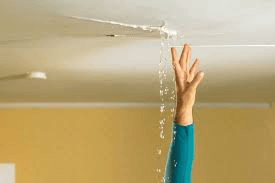
Once you’ve identified the location of the leak, you can then focus on fixing the corresponding issue on the surface of your roof. Water damage can stem from a range of causes such as poor installation or even storm damage. Cracks in the decking or missing shingles can allow water to infiltrate your home. Even a small gap can lead to widespread water damage throughout your property.
When water gets inside, it can lead to more problems like dark spots on ceilings and walls, mold infestations, and rot. These can be costly and time-consuming to fix, so it’s crucial to address the problem quickly. Leaks should never be ignored, no matter how small they seem.
If you notice signs of a roof leak, even if it’s not clear where the water is coming from, it’s always best to call a roofer for professional help. Trying to fix it yourself may lead to more problems down the road, especially if the underlying issue is deeper than you think. A professional will have the tools and experience to thoroughly inspect and repair the roof.
Ignoring a roof leak can result in more damage than you might expect. From mold infestations to weakened roof structure, the problems can snowball. I’ve seen situations where homeowners thought a minor issue would go away, only to discover extensive damage later. Early action is key to keeping your home safe and dry.
By regularly checking for leaks and understanding the risks of water damage, you can avoid the headaches and expensive repairs that come with an untreated roof. If you’re unsure about the condition of your roof, don’t hesitate to get it inspected.
2- SHINGLES DAMAGE AND DETERIORATION
Severe weather can cause shingles to loosen, curl, or even go missing. This leaves your roof vulnerable to water infiltration and can lead to significant deterioration. Regular inspections help you spot shingle problems early, such as cracks, granule loss, and moisture buildup. Without addressing these issues, your roof might suffer further damage, especially in the attic. Granules on asphalt shingles will eventually wash away, making them more prone to absorbing moisture and speeding up the wear process.
If you notice damaged roofing materials from the ground or a second-story window, it’s time to do a visual inspection. It’s best to reach out to a professional contractor to ensure the problem is handled correctly. Common signs of damage include cracked, curling shingles, and discoloration. Also, moss and algae growth can retain moisture, leading to rot and further deterioration of your roof.
For roofs with a steep-pitched roof, avoid walking on them yourself. The extra foot traffic can make the problem worse, damaging asphalt shingles further. Shingles are the first line of defense against the elements, but strong winds can pull them up, bend them, or even cause them to blow off. Poor maintenance, such as not cleaning gutters or letting water sit under shingles, can lead to mold and fungi growth, damaging the roof decking.
3- FLASHING / Roof Damage And Repair Issues Exposed
Flashing is the material that seals joints and roof penetrations around areas like chimneys, vents, and skylights. Over time, flashing can crack, corrode, or become loose, which leads to leaks. It’s crucial to pay attention to these vulnerable areas during roof inspections to catch any issues early. Damaged flashing can cause major water damage in your home, as it allows moisture to seep through gaps in your roof system. Metal flashing is designed to protect against moisture intrusion, but when it gets loose or damaged, it can lead to problems like rust, dent, or missing sealant.
Make sure to check around protrusions, valleys, and corners where flashing might be installed to cover gaps. If you notice flashing that’s cracked, missing, or damaged, it needs to be replaced immediately. If flashing tears or detaches from the roof, water can easily infiltrate the roof and cause damage to the structure. Remember, flashing is key to protecting your home from the elements, so keeping it in good condition is essential to prevent roof leaks and the damage they cause.
4- GUTTER PROBLEMS
Clogged gutters can cause big problems not just for your roof, but also for your foundation and its structural integrity. When gutters aren’t working properly, moisture can build up around your foundation, leading to water damage. To prevent this, it’s important to ensure your downspout is the right length and angle to direct precipitation away from your house. Gutters should be kept debris-free so that water can keep flowing freely. Pay attention to any cracks in the gutter system or at the seams, and make sure they are periodically sealed to avoid leaks.
During a downpour, keep an eye out for standing water near your foundation or any water damage in your basement. These could be signs that your gutter system isn’t functioning properly. To prevent these issues, clean gutters and downspouts regularly by removing leaves, twigs, and branches. Clogged gutters can cause overflow, which leads to damage on your roof, fascia, and foundation.
Make sure that your gutters are securely attached and properly aligned. Check for rust or corrosion, and ensure the gutter slope is correct for proper drainage. You can use roof sealant to repair any leaks and consider installing gutter guards to reduce debris buildup, especially if you have many trees nearby. Keeping your gutters clean and well-maintained will save you from bigger issues down the road.
5- AGE-RELATED WEAR AND TEAR
As time passes, time will take its toll on your roof. Age-related wear and tear is a common issue that leads to the need for roof replacement. Even the best-quality roofing materials have a limited lifespan and will eventually deteriorate. This means that the older roof gets, the more vulnerable it becomes to severe damage.
If your roof is approaching the 20-year mark, it’s important to start considering a replacement, even if you don’t have any urgent issues at the moment. Keeping track of your records and knowing when it’s time for a new roof can prevent costly repairs down the line. Age-related wear and tear can often go unnoticed until it leads to bigger problems, so it’s always better to stay ahead of potential issues.
6- WIND DAMAGE
Wind can cause significant roof damage, especially to shingles and flashing. A strong wind gust can easily pull off loose shingles, leaving your roof vulnerable. Additionally, flying debris can hit your roof and puncture it, causing further damage. However, most wind damage affects the shingles and can be fixed if addressed quickly to avoid more severe issues down the line.
7- HAIL DAMAGE / ROOF DAMAGE AND REPAIR ISSUES
Hail storms can cause significant damage to your roof in no time, often without any warning. The balls of ice that fall during these storms can dent shingles, flashing, and gutters, and even cause cracks in the roof deck. Additionally, the ice can scratch off the UV protection from the shingles, which leads to faster deterioration of the roof and further damage. It’s important to inspect your roof after a hail storm to address any issues early.