Introduction
When considering roofing material for your home, the decision goes beyond looks. The longevity and durability of your roof play a significant role in protecting your home and its structure. One major decision many homeowners face is choosing between metal roofs and shingles. While both have their merits, each offers different downsides, making it essential to evaluate factors such as climate, budget, and personal taste. Metal roofing is increasingly becoming the preferred option for many, offering lasting value and a remarkable proven performance of up to 75 years. As a professional in the field, I’ve seen how this decision can significantly impact the integrity of a home’s roof for decades.
Over the past decade, residential metal roofing has become a fast-growing segment in home improvement. More and more clients are swapping to metal roofs due to their impressive wind resistance, fire resistance, and energy efficiency, which help keep homes cooler. Unlike traditional roofs that lose value over time, metal roofs maintain their structural integrity throughout their 50+ years of use. With beautiful styles to complement any home or neighborhood, metal roofing offers a wide range of options that make it an attractive choice for homeowners seeking a long-term solution. These roofs not only enhance a home’s appearance but also offer the reassurance of low weight, making them easy to maintain while preserving the life of your property.
1.DURABILITY
When it comes to roofing material, durability is a key factor. Metal roofs are incredibly resilient, designed to stand strong against harsh weather elements like strong winds, heavy snow, and even wildfires. Their robust nature makes them ideal for almost any climate, providing a long-lasting solution for your home. Unlike traditional asphalt shingles, metal roofs can withstand extreme conditions, including radiant summer heat and winds up to 140 mph. With the right materials, such as tin, aluminum, zinc, copper, and steel, these roofs offer unmatched durability and longevity.
Metal roofs are built to last anywhere from 40 to 75 years, sometimes even longer with regular maintenance in a mild climate. While they may come with an additional cost upfront, the return on investment is significant, as you won’t need to replace or repair them frequently like other roofing options. They are designed to be impact-resistant, with Class 4 impact resistance, meaning they can withstand hail up to 2 inches in diameter without damage. The interlocking panels provide maximum wind resistance, ensuring the roof stays intact during strong gusts of wind. Furthermore, they don’t crack, mold, or let water seep through, reducing the need for frequent repairs.
Despite the initial cost, the minimal maintenance required and the long lifespan of metal roofs make them a smart investment. Over time, they save homeowners money on upkeep costs and repairs. A properly installed metal roof can outlive the homeowner, making it a durable, cost-effective option in the long run.
2. VARIETY OF STYLES AND DESIGN
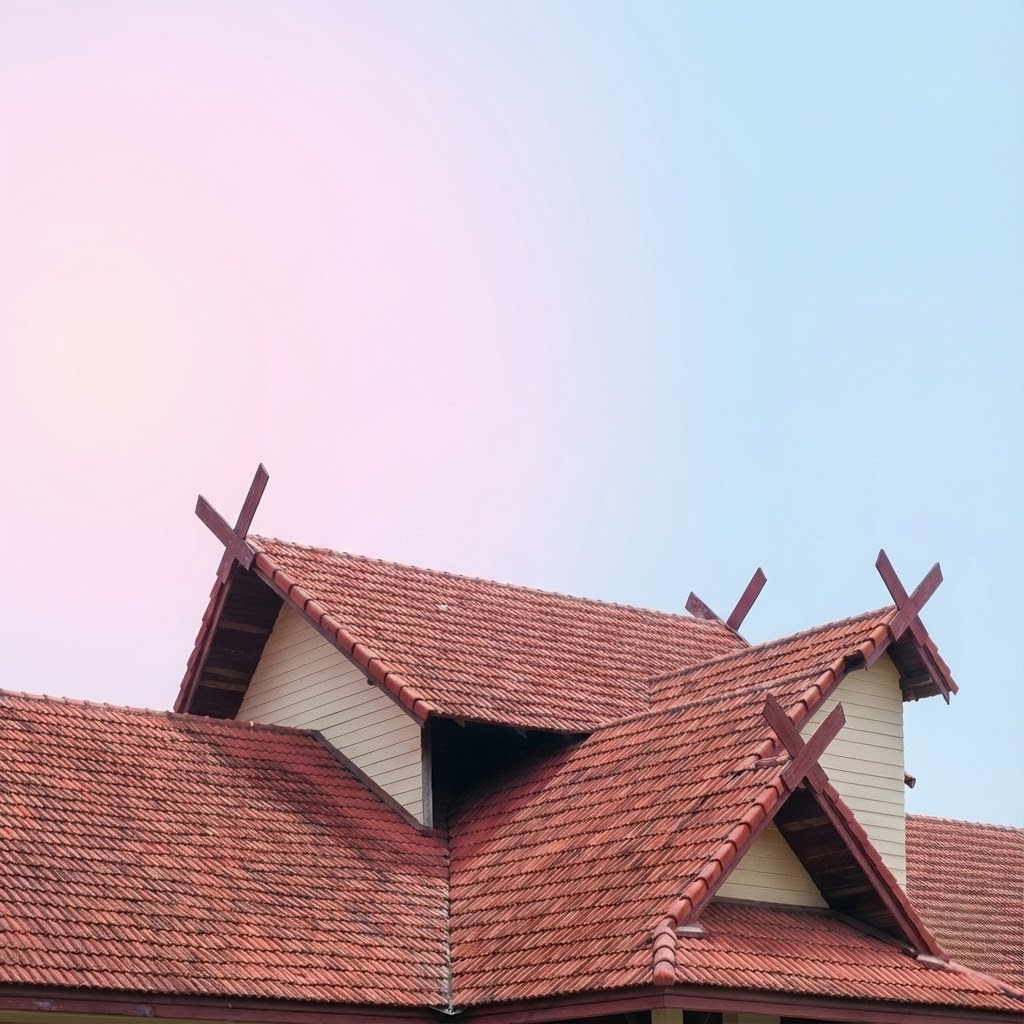
One of the best features of metal roofs is the wide variety of styles, colors, and finishes available. Whether you prefer a look like natural cedar shakes or even stone, there’s a style for almost every preference. Unlike traditional shingles, which are often limited in options, metal roofs offer a winner when it comes to style options. They can easily fit any architectural style and meet aesthetic preferences, making them a very attractive roofing option for homeowners. This flexibility allows homeowners to choose a design that enhances their curb appeal.
Because of their customizable nature, metal roofs provide an advantage over traditional shingles, which tend to lose their charm over time. With a consultation with your roofer, you can explore the different designs and colors that suit both your preferences and your HOA’s guidelines. This ensures that your roof will not only be durable but will also maintain its fresh, new roof look for many years, avoiding the deterioration process seen with other roofing materials. The beauty of metal roofs is that they continue to shine long into the future, making them a smart choice for homeowners looking for both style and longevity.
3.ENERGY EFFICIENCY
One of the biggest advantages of metal roofs is their energy efficiency. A homeowner can save up to 40% on energy costs with the right metal roof. The most efficient type of roof depends on your location. In cooler locations, unpainted metal roofs are often the best option because they absorb more of the sun’s heat, helping keep the home warmer. On the other hand, in warmer locations, granular or pre-painted options are a better choice since they can re-emit up to 90% of solar radiation, keeping the home cooler. Reflective coatings and thermal breaks in metal roofs can also reduce summer cooling costs by around 20% or even more.
Besides keeping your home cooler in summer, metal roofs help reduce energy bills in winter as well. Many roofing companies insulate under metal roofs, which helps to keep the home warmer during the colder months. In fact, metal roofs can improve energy savings by 10-25%. Additionally, solar panels can be easily installed on metal rooftops, further boosting the home’s energy-efficient capabilities.
4. WEATHER AND FIRE RESISTANCE
One of the top benefits of metal roofs is their fire-resistant properties. Metal roofs are noncombustible, which means they have a Class A fire rating, making them highly resistant to fires. This is especially important in areas prone to wildfire, as metal roofs can withstand airborne sparks and embers, offering added protection from exterior fires. Many people also worry about lightning strikes, but metal roofs are no more prone to lightning than traditional asphalt roofs. They help keep your home safe from thunderstorms and extreme weather conditions.
Apart from fire resistance, metal roofs excel in weather conditions as well. They help keep your home cozy and dry by efficiently allowing rain to drain quickly and by helping snow melt and slide off the roof. This reduces the risk of leaks and minimizes water damage. Metal roofing material can also handle hail storms and wind gusts of up to 140 mph, offering great durability in harsh weather and areas at a higher risk of wildfires.
5. METAL ROOF LASTING
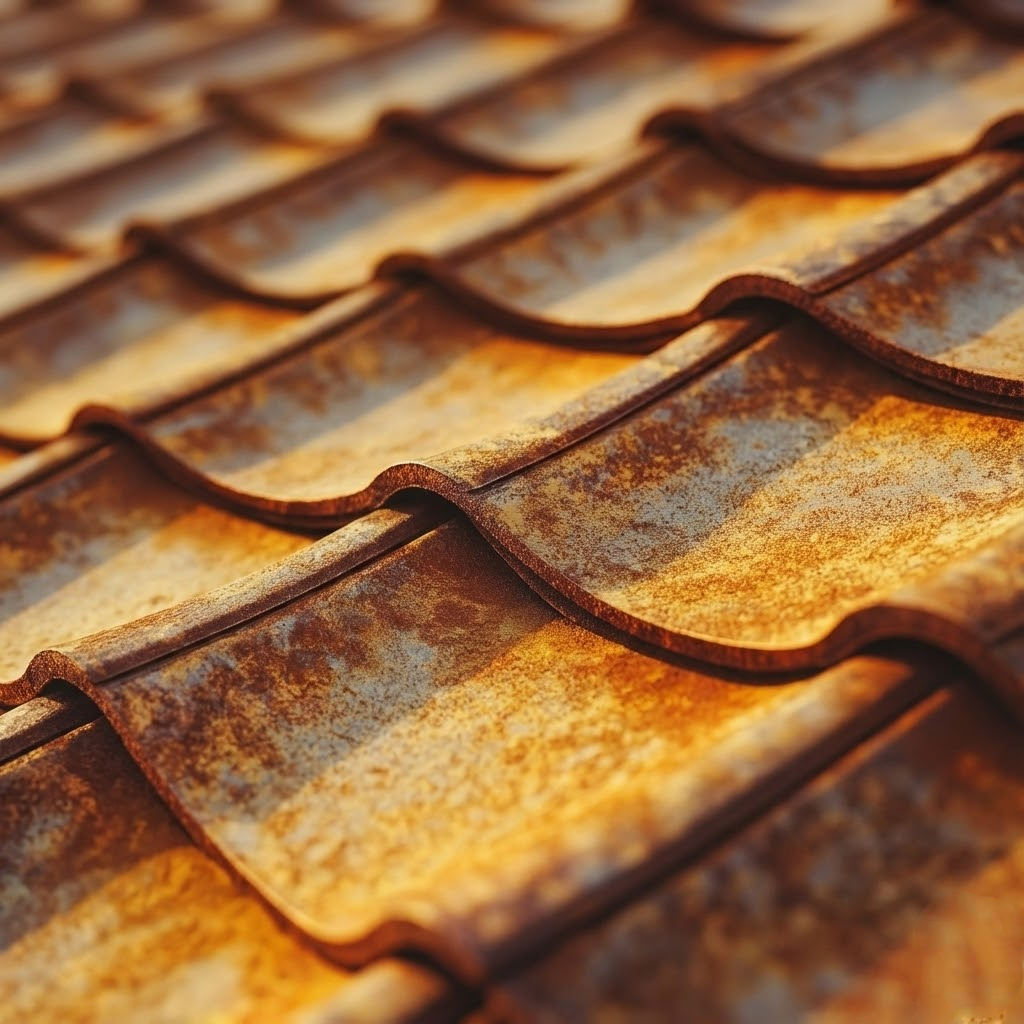
The difference between shingles and metal roofs is mainly in their life spans. A typical asphalt roof with three-tab shingles might last around 15–20 years, while architectural asphalt shingles can last a bit longer, around 30–50 years. However, replacing an asphalt roof is often troublesome, noisy, and expensive, and the process of installing can be disruptive. On the other hand, a metal roof can last 40–80 years or more, making it a worthwhile investment. The longevity of metal roofs, depending on the material, far exceeds that of traditional asphalt shingle roofs, offering 40 to 80 years of service
6.ENVIRONMENTAL IMPACT
One of the best things about metal roofing materials is that they are environmentally friendly. Many of these roofs are made from recycled content, with a range of 35%-95% depending on the product. After their lifespan, they are completely recyclable, which means they won’t end up in landfills like other roofing types. This makes metal roofs an excellent choice for homeowners looking to reduce their carbon footprint while still enjoying durability and long-lasting performance. Not only do these roofs help with pollution, but they also reduce energy bills by reflecting UV rays and keeping homes cool in the summer, which minimizes cooling requirements and electricity bills.
With the right metal coatings, metal roofs can last for decades and continue to be recycled or reused after their use. They also offer significant advantages when it comes to the installation process. They can be installed faster, and in some cases, over your current roof, which can save time and the cost of tearing off old roofing. Additionally, metal roofs can be installed even in winter installation conditions, unlike many other materials, and because of the panels used, the replacement process is efficient and minimally disruptive to your home life.
Are Metal Roofs Safe?
There’s a common misconception that metal roofs are more likely to have issues during extreme weather conditions, but this is not true. In fact, metal roofs don’t attract lightning during a thunderstorm any more than traditional asphalt roofs. Additionally, most metal roofs have a Class A fire rating, meaning they resist surface flame spread, making them as safe as asphalt shingles. Even in areas with a high wildfire risk, metal roofs remain a reliable and safe option for your home.